Preventing Falls at Home: A Guide for the Elderly and Their Relatives
Concrete steps at home, and what makes older people feel safe.

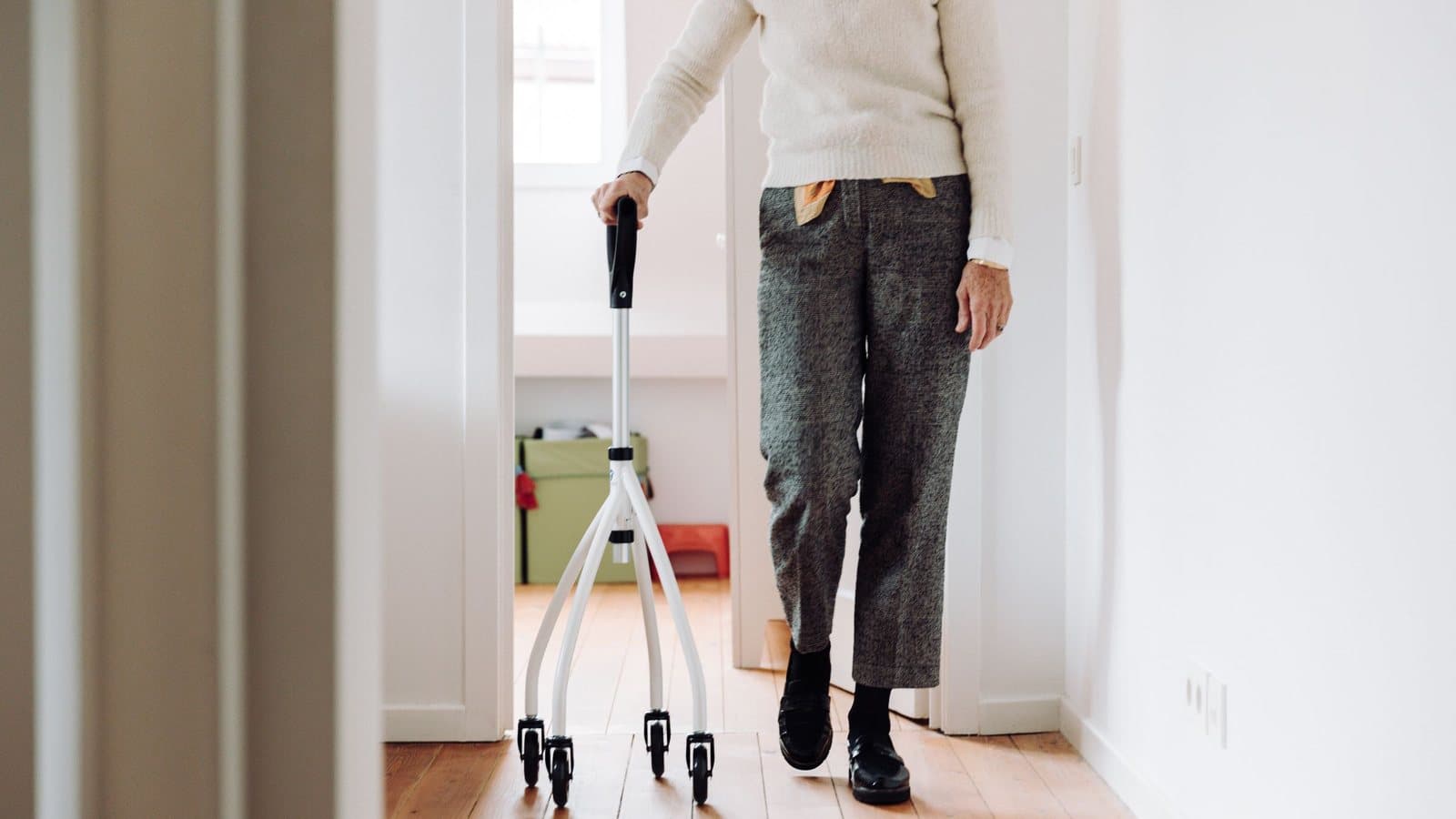
Around one in three people over 65 has at least one fall a year.[4] According to the Danish Health Authority, falls are the most common type of accident among older people.[1]
But research points to something many overlook: the strongest predictor of falls is not physical weakness alone – it is the fear of falling.
When safety matters more than balance
A Danish research review from the physiotherapy field concluded that psychological measures of safety – such as the ABC scale (Activity-specific Balance Confidence) and FES (Falls Efficacy Scale) – are among the strongest single predictors of whether an older adult will fall. ABC alone predicted falls better than both balance and strength tests.[2]
The reason is a vicious cycle: when an older adult feels unsafe, she moves less. Less movement means weaker muscles and poorer balance – which then further increases the risk of falling. Feeling safe is not just a pleasant emotion. It is active protection against falls.
What creates safety at home?
In 2021–2022 the municipalities of Copenhagen, Aarhus and Aalborg conducted a joint needs analysis on safety for the elderly at home. 90 interviews with citizens, relatives and staff led to a model – the Safety Wheel – mapping 10 concrete safety needs.[3]
Among the elements citizens themselves highlighted as the most important were:
- My home: feeling at home in familiar surroundings.
- Acute help: the certainty that help is close by if something happens.
- Family: relationships with the people closest to you.
- The body: having confidence in your own body.
The report concludes that relationships with other people – especially family – are among the factors that create the greatest sense of safety for the elderly.
Concrete steps you can take at home
The Danish Health Authority and clinical guidelines recommend a number of measures. Most can be put in place in less than an afternoon:
- 1. Remove fall hazards: loose rugs, cables, door thresholds and clutter on the floor.
- 2. Good lighting: also at night – a night light on the way to the bathroom halves the risk.
- 3. Grab rails and non-slip: install grab rails in bath and toilet, and use a non-slip bath mat.
- 4. Footwear: wear shoes or slippers with non-slip soles – not smooth-soled slippers.
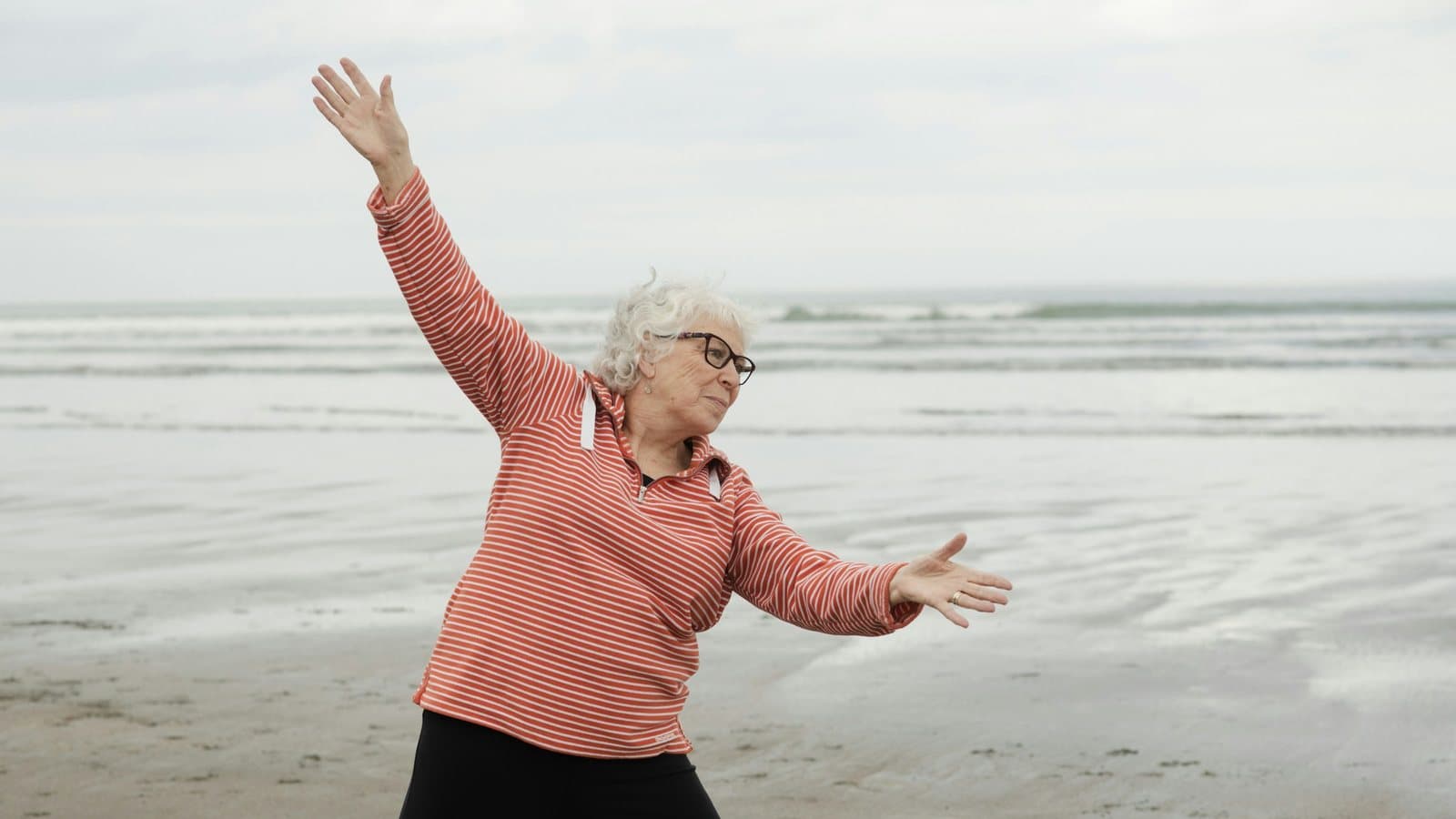
- 5. Balance and strength: 30 minutes, 3 times a week, reduces both fall risk and fear of falling.
- 6. Vision and medication: get an annual eye test and ask your doctor whether any medication may cause dizziness or drops in blood pressure.
Family is the strongest source of safety
Half of all falls happen at home – yet many older adults hesitate to call relatives because they don't want to be "a burden". That is precisely where safety collapses.
The research and the needs analysis point in the same direction: just knowing that you can reach your family quickly makes older adults more active and less afraid. A simple, direct line to those closest reduces anxiety – and with it the risk of falling.
Linucare has developed a safety button that sends the alarm directly to your family. You choose who receives the alarm.
See the Linucare safety button →Read more about safety for the elderly →
[1] Danish Health Authority, Falls in older people (in Danish), sst.dk
[2] Fysio.dk, Research note: Fear of falling – the best predictor of falls in the elderly (2015), fysio.dk
[3] Municipalities of Copenhagen, Aarhus and Aalborg, Needs analysis: Safety at home (2022), kk.dk
[4] Lægehåndbogen (the Danish medical handbook), sundhed.dk: Falls and tendency to fall in older adults, section on prevalence (in Danish), sundhed.dk